
24 Jan, 2026
3 min read
CES 2024 Highlights Surge in AI-Powered Hardware Amid Growing Industry Focus
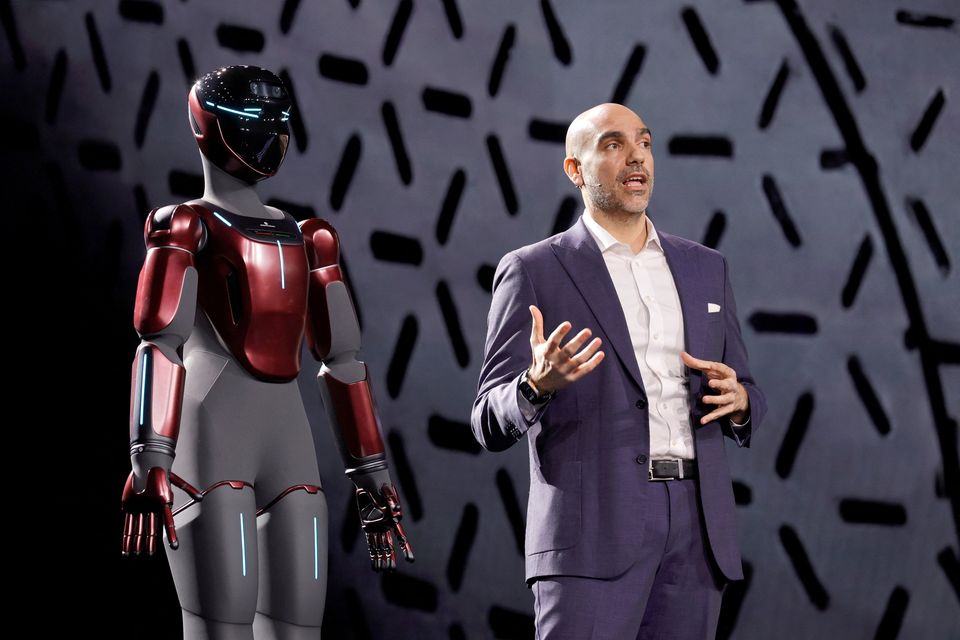
Four years after the introduction of ChatGPT popularized artificial intelligence, the CES 2024 event in Las Vegas revealed a significant industry pivot from AI software to AI-driven hardware. Major corporations in technology and automotive sectors displayed an array of AI-powered devices, including robotics, humanoid machines, and autonomous vehicles, illustrating a clear emphasis on "physical AI."
Startups and lesser-known companies also presented innovative AI-enhanced products designed for diverse applications such as hairstyling and emotional companionship, competing to attract investor interest. However, skepticism remains about which of these devices will achieve substantial commercial success.
Chris Bergey, head of ARM's PC, phone, and AI devices division, remarked, "AI is really driving a whole innovation and demand cycle." ARM recently restructured to form a dedicated physical AI unit aimed at expanding into robotics.
Humanoid robots captured attention with demonstrations including dancing, playing poker, and crafting origami pinwheels. Yet, their limited capabilities underscored ongoing challenges like insufficient processing power, short battery life, and handling unpredictable tasks. Experts anticipate that affordable, fully functional humanoid robots remain years away.
Key players such as Lenovo held high-profile presentations featuring leaders from Nvidia and AMD, unveiling AI platforms like Lenovo's Qira voice assistant, which integrates with services including Expedia. Meta announced upgrades for its Ray-Ban Display and Neural Band with features like live recording, while Alphabet introduced the Gemini AI model for smart home devices.
Among more eclectic offerings were AI-driven 3D avatar devices aimed at generating personalized vocal messages, an AI-powered interactive pet, a $599 AI-enabled dry cleaning system that identifies and cleans materials within minutes, and hair clippers enhanced by AI technology. Despite the variety, some analysts labeled many AI-marketed gadgets as rebranded "smart" devices rather than groundbreaking innovations.
The hardware supporting AI also drew attention, particularly specialized chips designed to handle AI workloads locally to reduce cloud computing costs. Perplexity AI CEO Aravind Srinivas noted the growing expense of AI operations. Intel revealed its Panther Lake AI chip for laptops, the first developed using an 18A manufacturing process, while AMD introduced processors tailored for AI computing.
These advancements promise improvements in PC performance, including faster speeds, longer battery life, and enhanced security. Yet, according to Creative Strategies CEO Ben Bajarin, widespread consumer understanding and demand for AI-powered PCs have yet to fully materialize. He stated, "I think the general consumer is still not aware of what an AI PC really means or what it can do for them that they can’t do today. Hopefully that will become more clear over time."
Recommended For You
Bureau of Customs Introduces Digital Portal to Streamline Public Complaints
Jan 24, 2026
Caridad Pingol

FIFA Futsal World Cup Quarterfinals Kick Off Tonight at PhilSports Arena
Jan 24, 2026
Caridad Pingol

Petro Gazz Advances to PVL Reinforced Conference Finals After Thrilling Five-Set Victory
Jan 24, 2026
Tino Salonga

Unlocking the Philippines’ $3.9 Trillion Hydropower Potential: A Path to Cleaner Energy and Flood Mitigation
Jan 24, 2026
Urbano Tolentino