04 Feb 2026

More in World
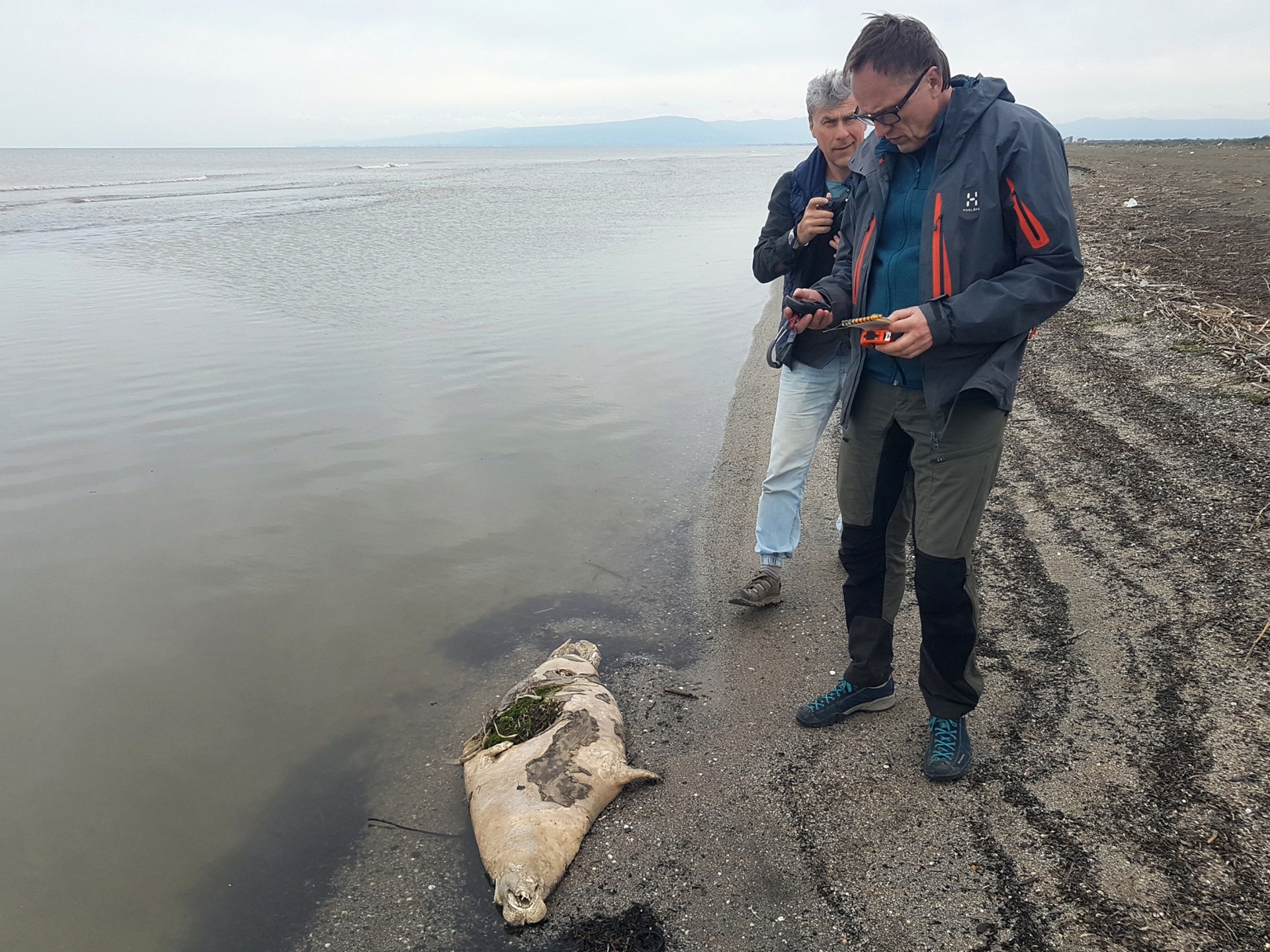
Over 320 Caspian Seals Found Dead Along Dagestan Coast Amid Natural Gas Emission Concerns
ISTANBUL — Authorities have reported the discovery of over 320 deceased Caspian seals along the coastline of Dagestan, situated between the Sulak and Terek River estuaries on the Caspian Sea. Regional emergency services indicated that this figure could rise as further assessments continue. The Dagestan Ministry of Natural Resources explained that such mass mortalities among Caspian seals are relatively frequent during their annual migratory movements. The ministry highlighted that scientific experts attribute the primary cause to asphyxiation resulting from the animals passing through zones where significant natural gas emissions from the seabed occur. These emissions are associated with ongoing seismic activity beneath the Caspian Sea. "Scientists believe the main cause is asphyxiation of animals passing through areas of powerful natural gas emissions from the seabed associated with seismic activity," the ministry stated, underscoring the natural environmental hazards impacting marine wildlife in the region. This incident raises concerns about ongoing environmental and ecological threats influencing the Caspian seal population, emphasizing the need for continued monitoring and research.
World
|1 min read

Brazil and Portugal Advance to Semifinals of FIFA Women's Futsal World Cup
The FIFA Women's Futsal World Cup semifinals are set following decisive quarterfinal wins by world No. 1 Brazil and No. 3 Portugal at the PhilSports Arena. Brazil, led by star player Emilly who scored a hat trick, overwhelmed Japan 6-1 to secure their place in the final four. Emilly's goals came in the 4th, 11th, and 39th minutes as Brazil dominated from the outset with additional goals from Ana Luiza (9th), Debora Vanin (13th), and Luana (14th). Japan managed a consolation own goal at the 36th minute by Julia, but were ultimately outmatched. Brazil's next challenge will be against world No. 2 Spain, the Group B leader, who advanced after a commanding 6-1 victory over Morocco in their quarterfinal match last Monday. Meanwhile, Portugal, under coach Luis Conceicao, produced a similarly impressive showing with a 7-2 victory against Italy. Lidia Moreira led the charge with three goals (6th, 21st, and 35th minutes) supported by Janice Silva's two goals (24th and 39th), Carolina Pedreira's opener in the 5th minute, and Kika's goal in the 28th. Portugal will face a strong Argentine side, ranked No. 6 worldwide, which dispatched Colombia 4-1 in their quarterfinal. The semifinals will take place on Friday, featuring Brazil vs. Spain and Portugal vs. Argentina, with the winners progressing to the gold medal match scheduled for Sunday. The tournament is held with the support of the Philippine Sports Commission and the Philippine Football Federation, showcasing top-tier women's futsal talent on the global stage.
World
|2 min read
Philippine Space Agency Issues Warning on Potential Rocket Debris in Coastal Waters
The Philippine Space Agency (PhilSA) has issued a warning to coastal residents and maritime operators in the western and southern Philippine waters regarding potential falling debris from China’s recent rocket launch. The Long March 8A rocket was launched from the Hainan International Commercial Launch Center in Wenchang at approximately 3:52 p.m., an event that had been previously communicated through a Notice to Airmen (NOTAM) highlighting an "aerospace flight activity" that could impact Philippine airspace and sea lanes. Projected splashdown areas for fragments from the launch include several maritime locations near the Philippines, notably: - Approximately 120 nautical miles off El Nido, Palawan - 140 nautical miles off Puerto Princesa - 48 nautical miles from Tubbataha Reefs Natural Park - 31 nautical miles off Hadji Muhtamad, Basilan - 40 nautical miles near Pangutaran Island, Sulu PhilSA emphasized that uncontrolled re-entries and falling rocket debris inherently pose safety hazards to fishing communities, marine vessels, and the surrounding environment. The agency strongly encouraged the public to promptly notify local authorities if suspected debris is observed. "PhilSA reiterates its advice for the public to inform local authorities if suspected debris is sighted. PhilSA also cautions against retrieving or coming in close contact with these materials," the agency stated, citing risks including residual hazardous substances such as traces of rocket fuel. The agency's advisory serves to protect both the safety of those in affected areas and mitigate environmental risks tied to such aerospace activities.
World
|2 min read

Global Reactions Emerge Following Australia’s Ban on Social Media Use for Under-16s
Australia has implemented a groundbreaking law banning social media access for individuals under the age of 16, a policy that is attracting international attention and could potentially inspire similar regulations elsewhere. In the days leading up to the ban’s enforcement, voices from various countries shared their perspectives on this significant move. In Mumbai, 19-year-old student Pratigya Jena expressed a nuanced view, stating that "social media should be partially banned because nothing is either black or white." She praised Generation Z for their active and entrepreneurial spirit online but warned about the negative impact of children being exposed to adult content. Cricket coach Pratik Bhurke in Mumbai echoed optimism, suggesting that such measures might encourage youth to engage more with outdoor activities, which could be beneficial in India as well. Meanwhile, in Berlin, 13-year-old Luna Drewes welcomed the ban as a means to counteract unrealistic beauty standards often perpetuated on social platforms. Similarly, 15-year-old Enno Caro Brandes acknowledged the difficulty of completely abandoning social media but considered the ban as a potential "detox" tool. Contrastingly, in Doha, 16-year-old Firdha Razak criticized the ban as "really stupid," highlighting concerns about its practicality and the challenge of communicating with family abroad. Youssef Walid, also 16, pointed out that restrictions could be circumvented easily using VPNs and alternative accounts. In Lagos, Nigerian student Mitchelle Okinedo recognized the government’s intent, noting that social media can be distracting, but she also affirmed that digital engagement is an intrinsic part of life for youths today. Her mother, Hannah Okinedo, supported the ban, citing parental difficulties in monitoring children’s online activity. Young residents of Mexico City shared varying views as well. Eleven-year-old Aranza Gomez said social media provides a vital outlet for her free time, while 16-year-old Santiago Ramirez Rojas emphasized the importance of social platforms for self-expression yet acknowledged risks such as online kidnapping, especially among younger children. Back in Australia, opinions within families differ. Fifteen-year-old Layton Lewis was skeptical, doubting the government’s understanding and predicting limited effects of the ban. Conversely, his mother, Emily Lewis, expressed hope that restrictions would foster "better, more authentic relationships" through more face-to-face socializing. Australia’s decision marks a pivotal moment in regulating young people’s engagement with digital platforms, with countries worldwide closely observing the outcomes of this policy shift.
World
|2 min read
Chinese Vessels Confront Philippine Ships Assisting Fishermen in West Philippine Sea
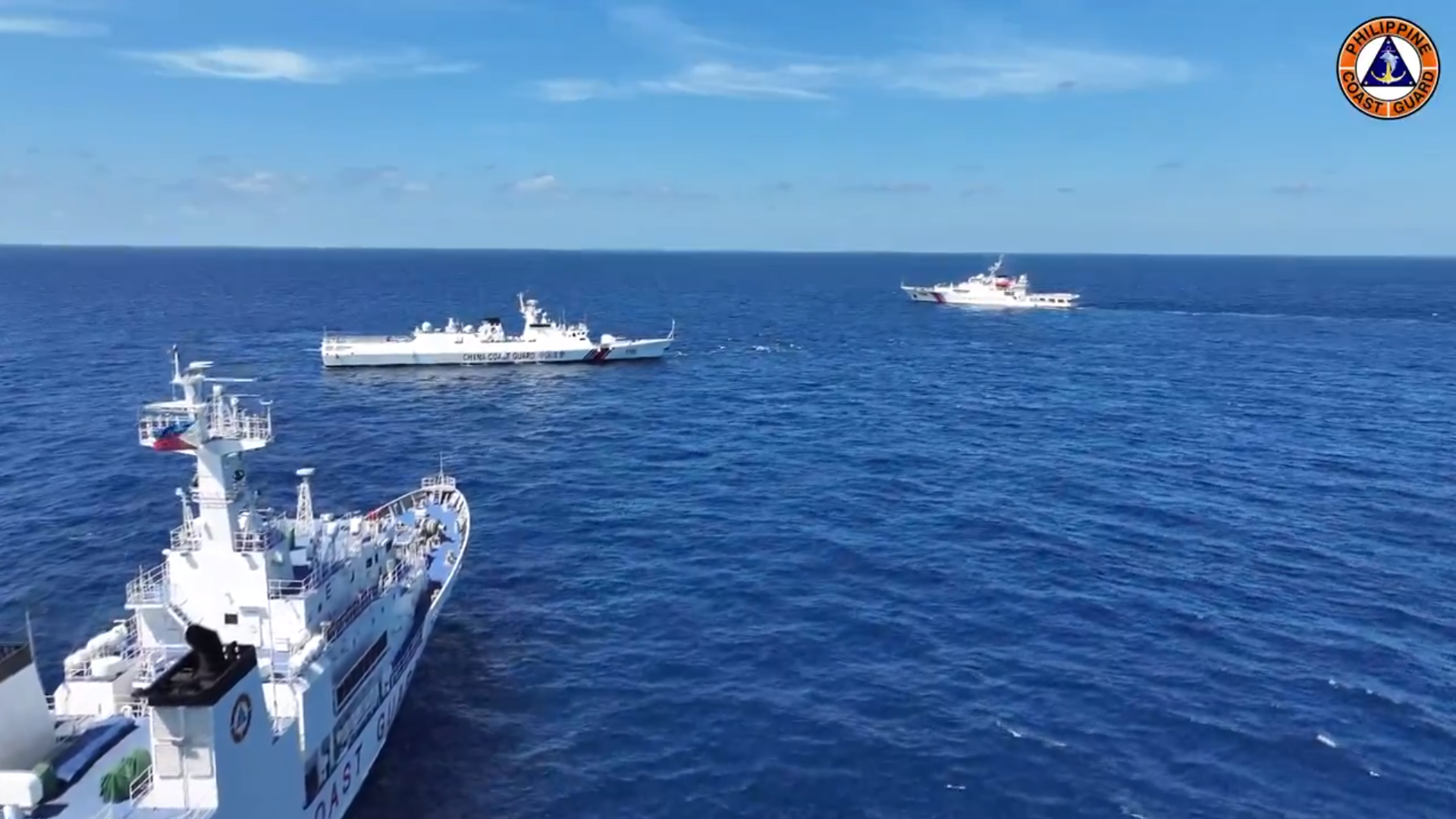
Chinese vessels confronted Filipino maritime assets delivering assistance to fishermen near Bajo de Masinloc in the West Philippine Sea. During a routine mission, ships from the Bureau of Fisheries and Aquatic Resources (BFAR) and the Philippine Coast Guard (PCG) faced attempts by Chinese warships and coast guard vessels to push them away from the area. A Chinese warship also issued a radio challenge to the Philippine vessels, which was promptly answered by a BFAR aircraft. The BFAR and PCG were carrying out their scheduled Kadiwa para sa Bagong Bayaning Mangingisda Program, providing essential supplies such as fuel, ice, and food to Filipino fishermen operating in the disputed shoal located within the Philippines’ exclusive economic zone (EEZ). Commodore Jay Tarriela, spokesperson for the PCG in the West Philippine Sea, highlighted the stark imbalance in forces, stating, \"We monitored two Chinese destroyers, a replenishment vessel, and six coast guard ships. Despite the disparity in size and numbers, we steadfastly assert our presence in the West Philippine Sea.\" During the BFAR’s maritime domain awareness flight, observers noted yellow buoys installed by China around Bajo de Masinloc, underscoring ongoing efforts to assert control over the contested area. Meanwhile, Philippine and United States naval forces recently concluded their ninth bilateral Maritime Cooperative Activity. The exercise included the Philippine Navy's guided missile frigate BRP Jose Rizal conducting joint surveillance operations alongside the US Navy's guided missile destroyer USS Rafael Peralta. Simultaneously, Philippine Air Force FA-50 light combat jets and a US Navy P-8A Poseidon maritime patrol aircraft participated in an aerial patrol over the region. These developments reflect continuing tensions and the Philippines’ ongoing commitment to safeguard its maritime rights amid increasing Chinese maritime assertiveness in disputed waters.
World
|2 min read
Three Filipino Fishermen Injured Amid Aggressive Actions by Chinese Vessels in West Philippine Sea
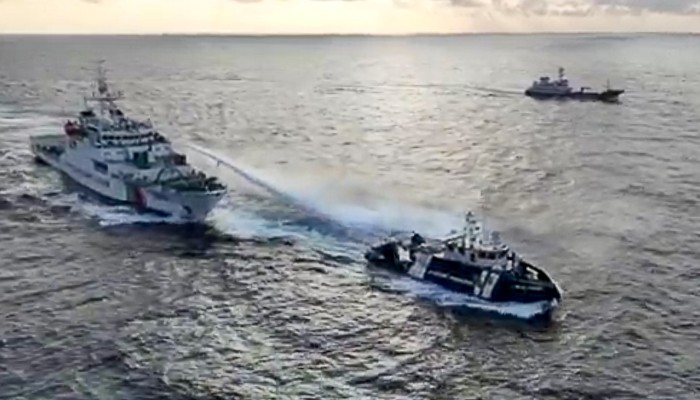
Three Filipino fishermen sustained injuries on Friday following aggressive actions by Chinese coast guard and militia vessels that targeted Filipino fishing boats near Escoda Shoal in the West Philippine Sea. The Philippine Coast Guard (PCG) reported on Saturday that approximately 20 Filipino fishing vessels were subjected to water cannon blasts and hazardous blocking maneuvers by two China Coast Guard (CCG) ships along with Chinese militia boats. The PCG provided photos and videos depicting water cannons aimed at small outrigger boats, resulting in significant damage to two Filipino fishing vessels. "In an alarming escalation, small CCG Rigid Hull Inflatable Boats (RHIBs) intentionally severed the anchor lines of several Filipino fishing boats, putting vessels and their crews at risk amid strong currents and high waves," the PCG said. As a direct consequence, three Filipino fishermen suffered bruises and open wounds. Efforts by the PCG to assist the Filipino fishermen were met with resistance from Chinese vessels and militia, yet they ultimately succeeded in providing medical aid and supplies to the affected crew. The statement highlighted repeated blocking and dangerous maneuvers by three CCG ships as two PCG response vessels attempted to reach the fishing boats. Notably, one incident involved a CCG vessel approaching within 35 yards of a PCG ship during nighttime navigation, described by the PCG as "particularly hazardous." Despite these unlawful and unprofessional interferences, the PCG managed to deliver prompt medical treatment and essential provisions to the injured fishermen. The Chinese embassy in Manila has yet to comment on the incident. Beijing asserts territorial claims over most of the South China Sea, a vital maritime corridor handling over $3 trillion in annual shipping trade, including areas claimed by the Philippines and other Southeast Asian nations. The Philippines refers to parts of the contested waters within its territory as the West Philippine Sea to reinforce its sovereignty. This area encompasses maritime zones west of the Philippine archipelago, including the Luzon Sea and waters surrounding the Kalayaan Island Group and Bajo de Masinloc. In 2016, the Permanent Court of Arbitration at The Hague ruled in favor of the Philippines, invalidating China's expansive claims in the region. China, however, has rejected the ruling and continues to assert its claims.
World
|2 min read
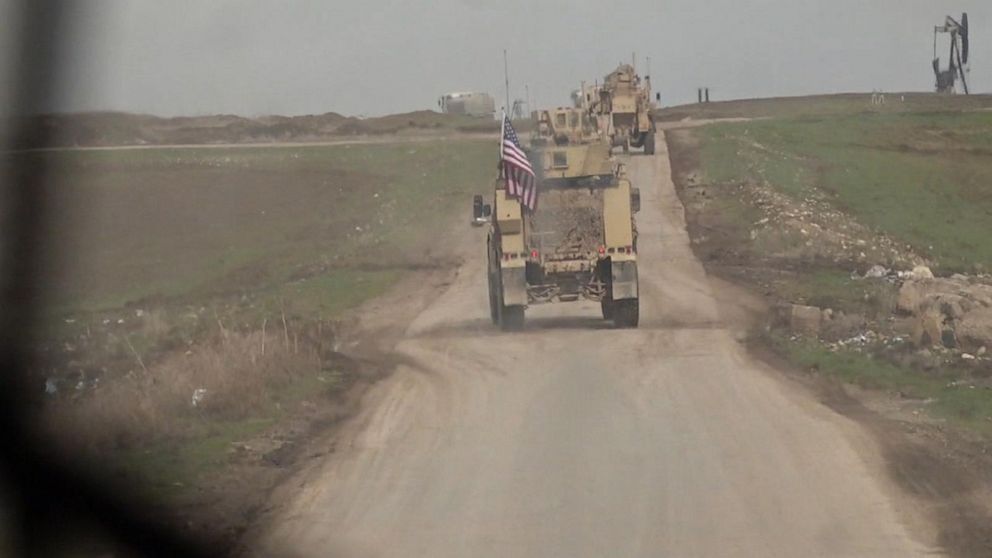
Syria Arrests Five Suspects Linked to Attack on US and Syrian Forces in Palmyra
Syrian authorities have apprehended five suspects believed to be connected to the shooting incident that resulted in the deaths of two US soldiers and a civilian interpreter in the central city of Palmyra on Saturday. According to the Syrian Interior Ministry, the assailant, who was fatally shot after the attack, was part of Syrian security forces and allegedly held extremist views sympathetic to Islamic State (ISIS). The attack targeted a joint convoy of American and Syrian forces operating in the area. Syria’s Interior Ministry confirmed the arrest operation was conducted in cooperation with international coalition forces, with the detained individuals promptly placed under investigation. President Ahmed al-Sharaa recently visited the White House, underscoring Syria’s ongoing collaboration with the US-led coalition against ISIS. The Interior Ministry revealed that the assailant had been evaluated just days before the attack, with concerns about his extremist leanings noted and decisions on his status pending at the time. The US Secretary of State, Marco Rubio, spoke by phone with Syrian Foreign Minister Asaad al-Shibani on Sunday to discuss the incident. A State Department spokesperson quoted Shibani expressing condolences and reiterating Damascus’s commitment to combating ISIS threats. The US-led coalition has intensified air strikes and ground operations targeting ISIS entities within Syria in recent months, often working alongside Syrian security units. Last month, Syrian forces conducted a nationwide campaign leading to the arrest of over 70 individuals suspected of ISIS affiliations. US troops have maintained a presence in northeastern Syria as part of a long-term campaign to defeat ISIS, which controlled significant territories in Syria and Iraq between 2014 and 2019. Following a prolonged civil war, the Syrian government is now led by former rebel groups that toppled Bashar al-Assad last year. This coalition includes elements formerly linked to Al Qaeda who have since distanced themselves and opposed ISIS. This latest attack highlights ongoing security challenges in the region as international and Syrian forces continue to collaborate against persistent extremist threats.
World
|2 min read
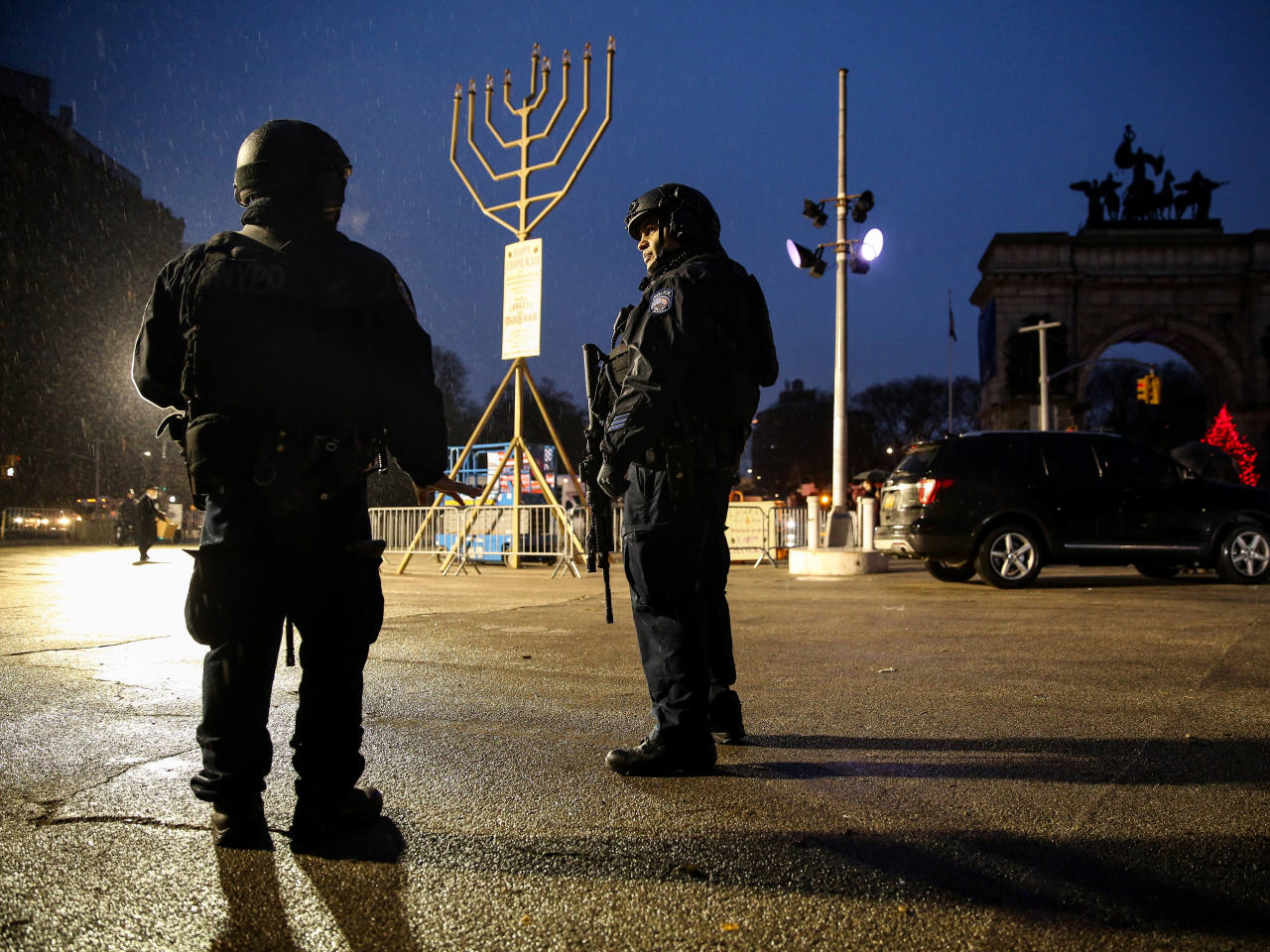
Global Cities Enhance Security for Hanukkah Following Sydney Attack
Several international cities have intensified security efforts during Hanukkah celebrations after a targeted antisemitic attack in Sydney left at least 11 people dead. Authorities in Berlin, New York, London, and Warsaw have increased police presence around key events and synagogues to ensure the safety of Jewish communities. Berlin police announced additional protective measures around the Brandenburg Gate, where a large electric menorah lighting ceremony was held for the first night of Hanukkah. A spokesperson stated on X that although extensive security had been planned in advance, the recent attack prompted further enhancements and a strong police presence. New York Mayor Eric Adams confirmed on social media that enhanced security was being implemented across the city’s Hanukkah events and Jewish institutions. Similarly, Warsaw’s main synagogue doubled its armed security for Sunday evening observances. Mayor Adams emphasized the city’s commitment to safeguarding the community, stating, \"We will continue to ensure the Jewish community can celebrate the holiday in safety—including at public Menorah lightings across the city. Let us pray for the injured and stand together against hatred.\" The commemoration at Berlin’s Brandenburg Gate also included prayers for the victims of the Sydney shooting. German authorities highlighted their long-standing policy of special responsibility toward Jewish people and Israel, rooted in the nation’s history and remembrance of the Holocaust. Routine security at Jewish sites in Berlin will be elevated throughout the Hanukkah period. London's Metropolitan Police similarly announced an increase in patrols and engagement with the Jewish community, though they refrained from releasing further operational details. The police noted that while there was no known direct threat linked to the Sydney attack, precautionary steps were being taken. In France, Interior Minister Laurent Nunez urged local officials to bolster security around Jewish places of worship from December 14 to 22. He instructed the deployment of additional security personnel, particularly during religious services and large public gatherings. These coordinated efforts reflect a global commitment to protect Jewish communities during a sensitive period of observance following a violent antisemitic incident.
World
|2 min read
Discovering the Philippines’ Lesser-Known Travel Gems Beyond Popular Destinations
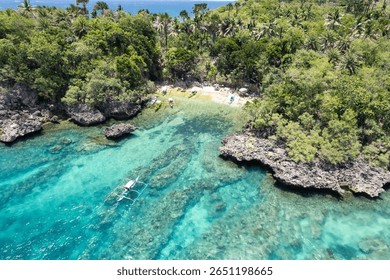
The Philippines is renowned for its iconic travel spots such as Boracay, El Nido, and Siargao. However, the archipelago also hosts a variety of less-explored locations that remain largely untouched by mainstream tourism. These hidden destinations often demand greater effort to access, involving lengthy land journeys, boat rides, or timing visits according to natural conditions. In return, they provide visitors with serene, intimate encounters with nature and local culture. ### Luzon **Itbayat Island, Batanes** Itbayat is the most remote island in the Batanes group and among the Philippines' toughest to reach. Unlike typical island paradises, Itbayat features rugged cliffs, rolling hills, and traditional stone houses designed to withstand frequent typhoons. Tourism here is minimal, helping preserve the Ivatan culture and the island's natural landscapes. **Callao Cave, Cagayan** Situated in Peñablanca town, Callao Cave is a vast limestone cave system known for its massive cathedral-like chamber illuminated by a natural skylight. The site holds significant archaeological value as the discovery point of ancient human remains, termed Callao Man, which have altered the timeline of early human habitation in the Philippines. **Vanishing Island, Albay** True to its name, Vanishing Island emerges only during low tide, revealing a white sandy sandbar surrounded by shallow waters. The picturesque setting often features the majestic Mayon Volcano as a backdrop. Trips to this ephemeral island require careful planning around tidal schedules. ### Visayas **Bon Bon Beach, Romblon** Bon Bon Beach boasts an extensive white-sand coastline that transforms into a connecting sandbar between Romblon Island and nearby Bangug Island during low tide. Visitors seeking peaceful beach experiences away from crowded tourist hubs will find this location ideal. **Niludhan Falls, Negros Oriental** One of the tallest waterfalls in the Visayas, Niludhan Falls impresses with its multi-tiered cascades surrounded by dense forest. Despite its grandeur, it remains relatively unknown due to limited promotion and challenging access. ### Mindanao **Kutawato Caves, Cotabato City** Uniquely located within an urban setting, the Kutawato Caves are a limestone network intertwined with the rich history of Cotabato City and the Maguindanaon people. The caves have served as refuges during times of conflict and hold ongoing cultural importance for local communities. **Panguan Island, Tawi-Tawi** Positioned at the southernmost tip of the Philippines, Panguan Island is among the nation's last remaining tourist frontiers. With crystal-clear waters, vibrant coral reefs, and thriving Sama-Bajau cultural traditions, it offers a blend of natural splendor and cultural heritage, although access remains restricted. ### Preserving Authenticity Amidst Limited Access These lesser-known spots often lack straightforward transport options, large-scale resorts, and strong marketing campaigns. While this limits visitor numbers, it helps safeguard vulnerable ecosystems and the lifestyles of indigenous communities. For travelers, the extra effort required to reach these places is compensated by the genuine and undisturbed experiences they provide. ### Travel Advisory Prospective visitors should consider the following: - Monitor weather and sea conditions, particularly when visiting isolated islands - Coordinate plans with local tourism authorities or guides - Uphold responsible tourism practices by respecting local cultures and environments Travelers are advised to verify the latest accessibility and safety updates before embarking on their journeys to ensure a safe and enjoyable experience.
World
|3 min read

Hyderabad-Origin Man Identified as Suspect in Deadly Australian Bondi Beach Attack
HYDERABAD, India — The man believed to have carried out the fatal shooting at Australia’s Bondi beach on Sunday originally hailed from Hyderabad, India. Police from Telangana state disclosed on Tuesday that the suspect, Sajid Akram, 50, had a background unknown to his family regarding any extremist views. The attack during a Hanukkah celebration resulted in fifteen fatalities, marking Australia’s deadliest mass shooting in nearly three decades. Authorities are currently probing the incident as a terrorist act targeting the Jewish community. According to police statements, Sajid Akram earned a commerce degree in Hyderabad, a major technology and pharmaceutical center in southern India. He emigrated to Australia in November 1998 seeking employment and married a woman described as having European origins. The couple had two children, including a son believed to be involved in the attack. Akram reportedly visited India six times primarily for family reasons, including handling property matters and seeing his parents, but did not return after his father’s passing. Telangana police noted Akram’s apparent radicalization had no identifiable connection to India, as he had no criminal records or extremist activity before leaving in 1998. "Family members have expressed no awareness of his radical mindset or involvement in such activities, nor do they know what circumstances led to his radicalization," the official statement said. "The factors behind the radicalization of Sajid Akram and his son, Naveed, seem unrelated to any local influences in Telangana." Reuters reporters visiting "Zehra Cottage," the Akram family residence in Hyderabad’s Al Hasnath colony, found the home gated and without visible occupants. Neighbors, mainly from the Muslim community, expressed surprise and indicated the family maintained a low profile. One neighbor mentioned Akram’s brother is a practicing doctor and that their mother resides with him. "This is a quiet and peaceful neighborhood; we have never had interactions with them beyond normal neighborly presence," an anonymous resident shared. "No one in this area has a history of criminal issues or has attracted police attention." Australian police have stated that Sajid Akram and his 24-year-old son Naveed, who remains critically injured in hospital following being shot, traveled to the Philippines together last month. Sajid used an Indian passport, while Naveed traveled under an Australian passport. Investigations are ongoing to determine the purpose of their visit and any ties to terrorist networks or possible training received abroad. Currently, there is no conclusive evidence linking them to known extremist groups.
World
|2 min read