
10 Feb, 2026
3 min read
Deforestation Amplifies Impact of Deadly Tropical Storm in Sumatra, Indonesia
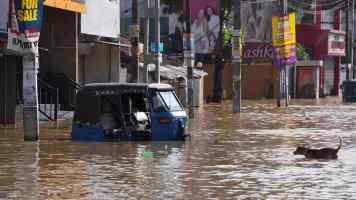
In the aftermath of a devastating tropical storm that struck the Malacca Strait region, including parts of Indonesia, Malaysia, and Thailand, Sumatra’s Tapanuli area experienced severe landslides and floods resulting in more than 700 deaths. This toll marks the deadliest natural disaster Indonesia has faced since the 2004 tsunami.
Indonesian resident Reliwati Siregar expressed frustration over the widespread deforestation around her home, which she believes aggravated the disaster’s impact. "Mischievous hands cut down trees … they don’t care about the forests, and now we’re paying the price," she stated from a temporary shelter in the hardest hit area.
Environmental specialists and local officials agree that, while the tropical storm was intensified by climate change, rampant forest clearing in Sumatra significantly amplified the flooding and landslides. Gus Irawan Pasaribu, a regional government official in Tapanuli, criticized the government for permitting forest use for commercial projects despite his objections, emphasizing that intact forests could have mitigated the disaster.
Efforts to reach Indonesia’s forestry and environment ministries for comment were unsuccessful. Meanwhile, reports indicate that the attorney general’s office has initiated an investigation into potential illegal activities related to the disaster. The environment ministry plans to question eight companies involved in logging, mining, and palm oil plantations after logs were found washing ashore in affected areas, although the companies have not been named.
Palm oil plantations, a major driver of deforestation in Indonesia, were cited by officials such as Masinton Pasaribu as contributing to environmental degradation that exacerbated flooding.
Data from Global Forest Watch indicates that from 2001 to 2024, North Sumatra lost approximately 1.6 million hectares of tree cover, representing 28% of the region’s forested areas. The entire island of Sumatra lost 4.4 million hectares of forest during the same period — an area larger than Switzerland — making it Indonesia’s most deforested island.
Adding to these concerns is the ongoing construction of the China-backed 510MW Batang Toru hydropower plant, expected to be operational by 2026. Environmental groups warn that this project and other upstream developments have harmed ecosystems and watersheds, intensifying flood risks. JATAM, an environmental advocacy organization, highlighted that this is not merely a case of extreme weather but a direct consequence of industrial activities.
Attempts to halt the hydropower project through legal channels were unsuccessful, with a 2019 court ruling dismissing a lawsuit seeking permit revocation.
Further scrutiny surrounds legal permits for forest conversion, totaling around 54,000 hectares, primarily for mining. PT Agincourt Resources, operator of the Martabe gold mine within the Batang Toru ecosystem, denied links between its activities and the floods, attributing the disaster to severe weather and natural river blockages.
Local residents, such as Yusneli from Padang, reported unprecedented volumes of logs washing ashore, raising concerns about environmental degradation and its role in the calamity.
This tragedy underscores the urgent need for sustainable land management practices and heightened environmental oversight to prevent future disasters and safeguard vulnerable communities.
Recommended For You

Authorities Confiscate P250,000 Worth of Illegal Vape Products in Manila
Feb 10, 2026
Urbano Tolentino

Cebu City Reduces Sinulog 2026 Budget Amid Post-Typhoon Recovery Efforts
Feb 10, 2026
Tino Salonga

Porac Mayor Jaime Capil Surrenders Amid Graft Charges Linked to Illegal POGO Operations
Feb 10, 2026
Caridad Pingol

Lawmaker Condemns Harassment of LGBTQIA+ Community in Maguindanao del Sur
Feb 10, 2026
Urbano Tolentino