
24 Jan, 2026
2 min read
Global Reactions Emerge Following Australia’s Ban on Social Media Use for Under-16s
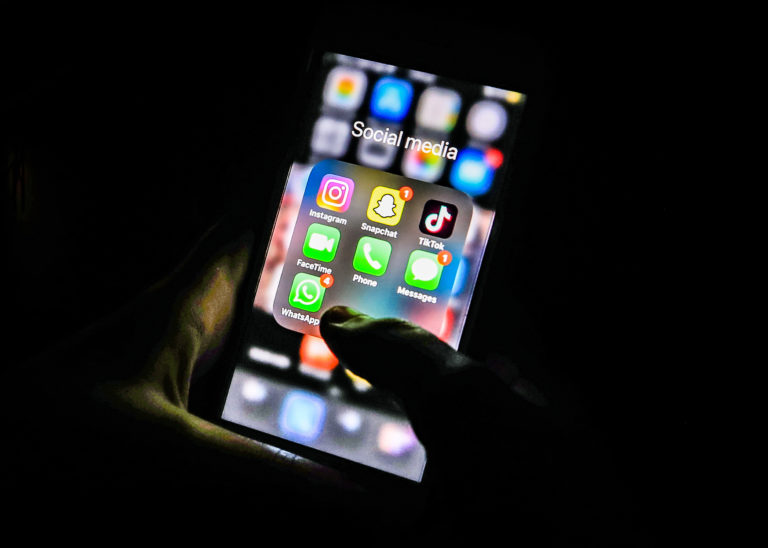
Australia has implemented a groundbreaking law banning social media access for individuals under the age of 16, a policy that is attracting international attention and could potentially inspire similar regulations elsewhere.
In the days leading up to the ban’s enforcement, voices from various countries shared their perspectives on this significant move.
In Mumbai, 19-year-old student Pratigya Jena expressed a nuanced view, stating that "social media should be partially banned because nothing is either black or white." She praised Generation Z for their active and entrepreneurial spirit online but warned about the negative impact of children being exposed to adult content. Cricket coach Pratik Bhurke in Mumbai echoed optimism, suggesting that such measures might encourage youth to engage more with outdoor activities, which could be beneficial in India as well.
Meanwhile, in Berlin, 13-year-old Luna Drewes welcomed the ban as a means to counteract unrealistic beauty standards often perpetuated on social platforms. Similarly, 15-year-old Enno Caro Brandes acknowledged the difficulty of completely abandoning social media but considered the ban as a potential "detox" tool.
Contrastingly, in Doha, 16-year-old Firdha Razak criticized the ban as "really stupid," highlighting concerns about its practicality and the challenge of communicating with family abroad. Youssef Walid, also 16, pointed out that restrictions could be circumvented easily using VPNs and alternative accounts.
In Lagos, Nigerian student Mitchelle Okinedo recognized the government’s intent, noting that social media can be distracting, but she also affirmed that digital engagement is an intrinsic part of life for youths today. Her mother, Hannah Okinedo, supported the ban, citing parental difficulties in monitoring children’s online activity.
Young residents of Mexico City shared varying views as well. Eleven-year-old Aranza Gomez said social media provides a vital outlet for her free time, while 16-year-old Santiago Ramirez Rojas emphasized the importance of social platforms for self-expression yet acknowledged risks such as online kidnapping, especially among younger children.
Back in Australia, opinions within families differ. Fifteen-year-old Layton Lewis was skeptical, doubting the government’s understanding and predicting limited effects of the ban. Conversely, his mother, Emily Lewis, expressed hope that restrictions would foster "better, more authentic relationships" through more face-to-face socializing.
Australia’s decision marks a pivotal moment in regulating young people’s engagement with digital platforms, with countries worldwide closely observing the outcomes of this policy shift.
Recommended For You
Quezon City Court Declares NTC Order Blocking Bulatlat and Other Sites Unconstitutional
Jan 24, 2026
Caridad Pingol
Negros Power Nearly Completes Electricity Restoration After Typhoon Tino
Jan 24, 2026
Caridad Pingol
FIFA Futsal World Cup Quarterfinals Kick Off Tonight at PhilSports Arena
Jan 24, 2026
Caridad Pingol

Tacloban City Undertakes Major Drainage Declogging to Prevent Flooding
Jan 24, 2026
Urbano Tolentino