

24 Jan, 2026
2 min read
Philosophical Perspectives on Advent Highlight Moral Reflection and Existential Tension
Advent, traditionally seen as a period of waiting and preparation, offers contrasting interpretations when viewed through the lenses of Enlightenment philosophy and 20th-century theology. Immanuel Kant and Dietrich Bonhoeffer, though never directly engaging with each other's ideas, provide illuminating viewpoints that deepen the understanding of Advent's significance.
Kant, a prominent Enlightenment thinker, perceives Advent primarily as a time for moral preparation rather than spiritual anticipation. In his philosophy, religion's role is to enhance moral responsibility, making Advent an opportunity for rigorous ethical self-examination. Kantian questions center on whether actions stem from duty or self-interest, whether individuals respect others as ends in themselves, and whether their will aligns with moral law. Consequently, Advent becomes a disciplined period focused on reason-driven moral improvement rather than emotional or spiritual sentiment.
In stark contrast, Bonhoeffer, whose theological reflections were shaped by the harsh realities of imprisonment under the Nazi regime, views Advent as a period marked by existential tension and vulnerability. For him, waiting during Advent is not peaceful but fraught with danger and uncertainty. He argues that God's presence is felt most profoundly when human strength and control fail, making Advent a time of interruption and unsettling challenge rather than comfort or straightforward improvement.
Both thinkers reject sentimental interpretations of Advent, emphasizing instead its imperative to transform lives. Kant places confidence in human reason as the foundation for moral progress, while Bonhoeffer warns that reason alone is insufficient and that hope must transcend human capabilities.
This dual perspective invites individuals to engage with Advent either as a call to inward moral discipline or as a confrontation with the limits of human power, enriching the season's meaning in contemporary contexts.
Recommended For You
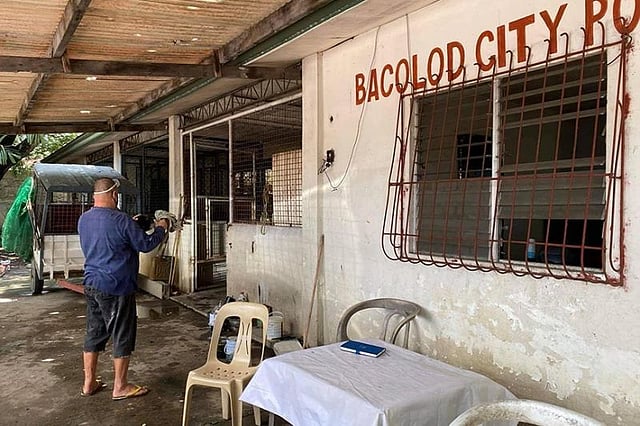
Animal Welfare Groups Demand Closure of Bacolod City Pound Over Alleged Neglect
Jan 24, 2026
Tino Salonga
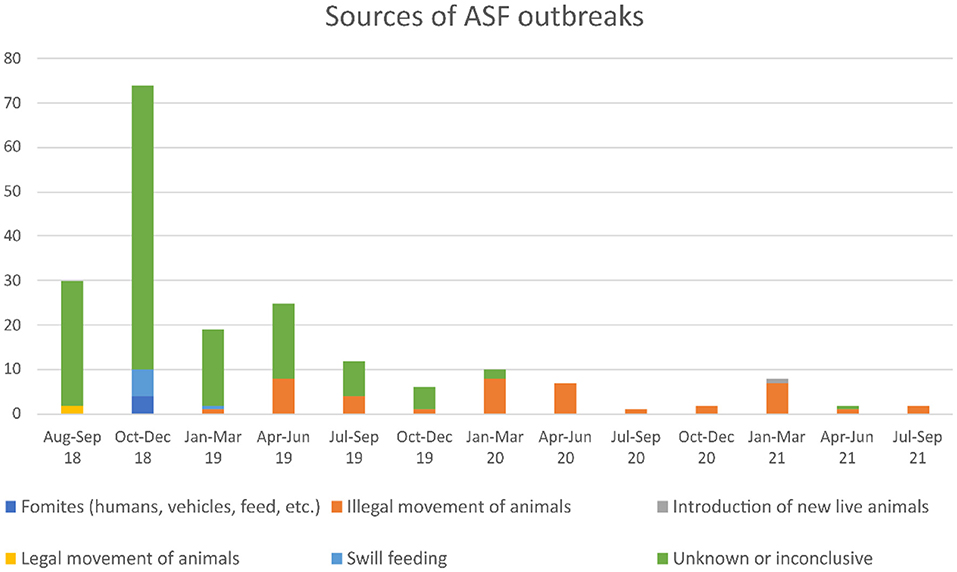
UK Temporarily Halts Pork Imports from Spain Following African Swine Fever Detection
Jan 24, 2026
Eusebio Alcaraz
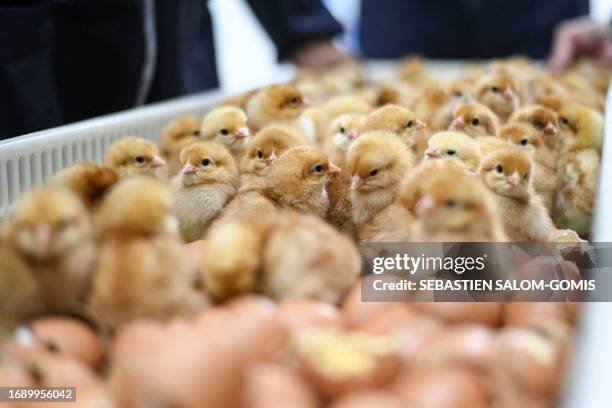
Cavite City Welcomes Its First Polish Chick at City Aviary
Jan 24, 2026
Caridad Pingol

Bureau of Customs Introduces Digital Portal to Streamline Public Complaints
Jan 24, 2026
Caridad Pingol