
24 Jan, 2026
2 min read
Japanese Study Highlights Arginine’s Potential to Combat Alzheimer’s Protein Clumps
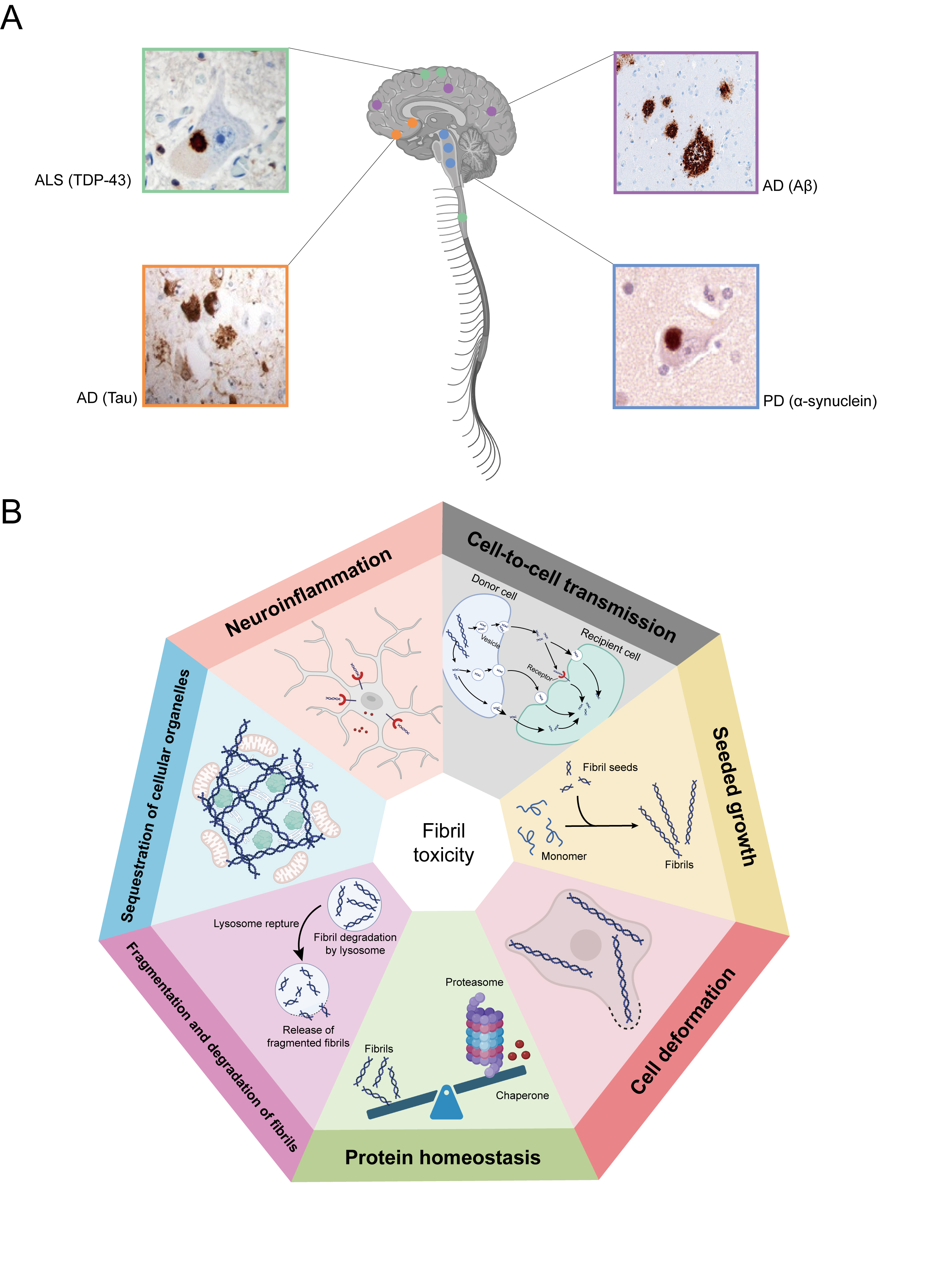
Scientists from Kindai University and Japan’s National Institute of Neuroscience have identified the amino acid arginine as a promising agent against one of Alzheimer’s hallmark features: amyloid-beta protein aggregates. Their recent study demonstrates that oral arginine disrupted these toxic protein clumps in Alzheimer’s-like mouse models, leading to decreased protein deposits and improved behavioral outcomes.
In the experiments, male mice genetically predisposed to develop amyloid-beta plaques received arginine through their drinking water. This treatment resulted in a marked reduction of protein buildup in the brain. Additionally, the mice exhibited fewer neurological abnormalities and showed diminished activity in genes tied to neuroinflammation, indicating potential benefits beyond plaque clearance.
"Our research confirms that arginine can inhibit amyloid-beta aggregation both in laboratory and living organisms," explained lead investigator Yoshitaka Nagai. "The encouraging aspect is that arginine is already established as a safe, cost-effective therapeutic agent."
Further reinforcing these findings, similar effects were observed in fruit fly models and in vitro experiments. The study builds upon earlier evidence of arginine functioning as a chemical chaperone that prevents misfolded proteins from forming harmful aggregates. Crucially, previous studies have verified arginine’s ability to penetrate the blood-brain barrier, a challenge that limits many Alzheimer’s drugs.
Despite these promising results, experts urge caution, noting that human studies are still necessary. The doses given to animals were high, and the safe and effective dosage for humans remains unknown. Moreover, the scientific community continues to debate whether reducing amyloid-beta plaques halts or delays Alzheimer’s progression in patients.
Nonetheless, the study opens the door for exploring arginine as a therapeutic candidate for neurodegenerative diseases marked by protein misfolding. "Considering arginine’s excellent safety profile and affordability, it could be rapidly advanced to clinical trials targeting Alzheimer’s and similar disorders," Nagai stated. "Our findings pave the way for arginine-based strategies against diseases caused by protein aggregation."
Recommended For You

Lawmaker Condemns Harassment of LGBTQIA+ Community in Maguindanao del Sur
Jan 24, 2026
Urbano Tolentino

Sandiganbayan Orders Senator Jinggoy Estrada to Submit Travel Documents Amid Pending Charges
Jan 24, 2026
Urbano Tolentino

DoubleDragon to Launch Hotel101 in Milan as Part of Global Expansion
Jan 24, 2026
Tino Salonga
Japanese Study Highlights Arginine’s Potential to Combat Alzheimer’s Protein Clumps
Jan 24, 2026
Caridad Pingol