
10 Feb, 2026
2 min read
Rising Auto Tariffs and Inflation Drive Changes in U.S. Car Buying Trends
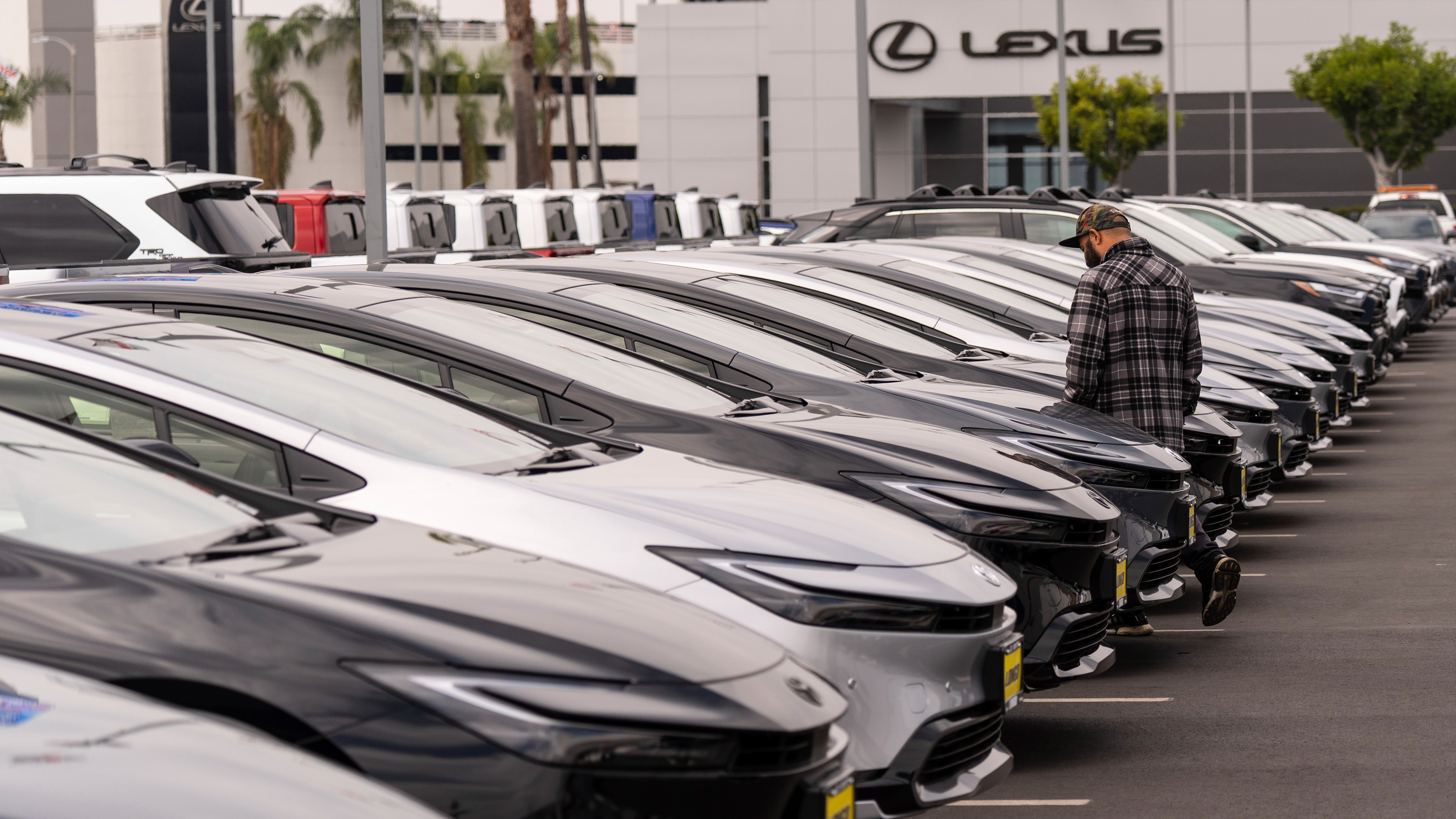
High automobile tariffs, ongoing inflationary pressures, and a more constrained job market have compelled many American consumers to reconsider their vehicle purchases. According to a recent report, buyers are opting for smaller cars, purchasing used vehicles, extending loan periods, and delaying purchases in search of better deals.
The electric vehicle (EV) segment in the U.S. has particularly suffered a notable decline. This downturn intensified after the federal government’s $7,500 EV tax credit expired in September, eliminating incentives that previously supported hundreds of thousands of potential sales.
In addition to these factors, the U.S. administration instituted a 25% tariff on imported vehicles in April, followed by a further 25% duty on auto parts in May. These measures have collectively driven up prices for both imported and domestically manufactured automobiles.
Consumer spending in the U.S. has also experienced a downturn. The Federal Reserve’s Beige Book, released in mid-November, indicated a continued decrease in expenditures from early October through mid-November. This trend mirrors broader consumer caution influenced by concerns about job security and inflation, as reflected in the University of Michigan’s November consumer sentiment index.
These developments suggest a challenging environment ahead for the U.S. automotive market, with shifts in consumer behavior likely to persist as economic uncertainties remain.
Recommended For You

Lawmaker Condemns Harassment of LGBTQIA+ Community in Maguindanao del Sur
Feb 10, 2026
Urbano Tolentino

Authorities Confiscate P250,000 Worth of Illegal Vape Products in Manila
Feb 10, 2026
Urbano Tolentino

San Remigio Faces Mass Relocation After Earthquake-Induced Sinkholes Render Land Unsafe
Feb 10, 2026
Caridad Pingol

DoubleDragon to Launch Hotel101 in Milan as Part of Global Expansion
Feb 10, 2026
Tino Salonga