
24 Jan, 2026
3 min read
San Remigio Faces Mass Relocation After Earthquake-Induced Sinkholes Render Land Unsafe
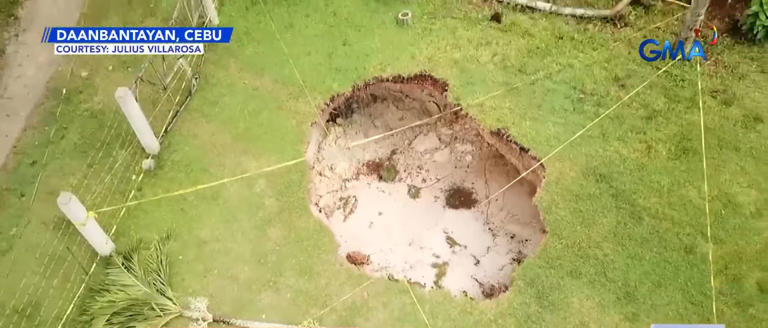
The northern Cebu town of San Remigio is undergoing a massive relocation effort following a powerful earthquake that triggered the formation of numerous sinkholes, rendering entire neighborhoods unsafe for habitation. After the magnitude 6.9 earthquake struck on September 30, 2025, officials discovered more than 60 newly formed sinkholes across residential areas, prompting the declaration of multiple no-build zones and forcing roughly 1,000 residents—comprising 200 to 250 families—to evacuate.
These residents are currently housed in government-provided Smart Houses and temporary shelters while municipal authorities face the pressing task of acquiring land and mobilizing resources for permanent relocation. Mayor Mariano Martinez emphasized the complexity of the undertaking, stating, "It’s a problem we have yet to resolve because we really need to transfer them."
San Remigio’s crisis showcases the vulnerability of communities built atop karst terrain, a geological formation of soluble limestone prone to subsidence. Experts explain that seismic tremors can destabilize this terrain, resulting in sinkholes that expand rapidly, especially with ongoing aftershocks. Recent estimates warn the number of sinkholes may rise to 100, exacerbating the risk to life and property.
For affected residents, relocation means not only displacement but the loss of their most valuable asset—the land beneath their homes. Despite the dangers, some families remain hesitant to leave, illustrating the deep personal and economic ties to their locality. The mayor acknowledged this challenge, noting efforts to find alternative sites closer to their original livelihoods.
The local government’s financial capacity to purchase safe land and build new homes falls short of the scale required. Mayor Martinez expressed hope for external support, referencing aid mobilized after previous disasters, "We hope that foreign and non-government organizations will come forward to help us build new homes for our displaced families."
This situation reflects a broader problem faced by disaster-prone countries, where cascading hazards such as earthquakes triggering secondary geological threats demand more complex responses than simple reconstruction. The San Remigio case underscores the need for integrated land use planning and sustainable community resettlement strategies in vulnerable regions.
Looking ahead, the town is prioritizing land acquisition and securing funding to ensure permanent, safe housing for displaced families. The success of these efforts will determine not only the future of San Remigio’s residents but could also serve as a model for handling similar geologically driven relocations elsewhere.
As the local government navigates the dual challenges of logistics and finance, the broader province watches closely, aware that this unprecedented response sets a vital precedent in managing risks associated with the earth's shifting foundations.
Recommended For You
Negros Power Nearly Completes Electricity Restoration After Typhoon Tino
Jan 24, 2026
Caridad Pingol

Social News Blog Highlights Political Figures and Their Networks
Jan 24, 2026
Ciriaco Manlapig

National Task Force Supports Anti-Corruption Rally but Warns Against Insurgent Exploitation
Jan 24, 2026
Urbano Tolentino

Japanese Study Highlights Arginine’s Potential to Combat Alzheimer’s Protein Clumps
Jan 24, 2026
Caridad Pingol