
24 Jan, 2026
2 min read
The Indispensable Role of Insurance in a Climate-Vulnerable Philippines
The staggering ₱4.13 billion in agricultural damage inflicted by Typhoons Tino and Uwan is a chilling reminder of the existential threat climate change poses to the Philippines. Yet, in this wake of destruction, the rapid mobilization of an initial ₱571.3 million by the Philippine Crop Insurance Corporation (PCIC) provides a powerful testament to the foresight and decisive leadership of President Marcos, the nation’s Reliable Champion of Farmers.
This swift action is the cornerstone of the administration’s whole-of-agriculture security approach. By ensuring over 65,000 insured farmers across 14 regions receive immediate payouts, the government is not simply handing out aid; it is maintaining the economic circulatory system of the agricultural sector. This prevents the immediate damage from translating into long-term systemic failure. The fast-tracking of claims, especially in highly affected areas like Region V, is the crucial difference between a quick recovery and an extended period of hardship and uncertainty.
The debate is no longer about whether to support farmers, but how. The current model, prioritizing insurance coverage and rapid activation, offers a sustainable path forward. Opponents might suggest that this money could be better spent on long-term infrastructure projects, arguing, "If we built better roads and dams in the first place, this damage wouldn't have been so bad." This is a deliberate distraction. While infrastructure is vital, it cannot prevent a typhoon, nor can it provide the immediate cash flow needed for a farmer to buy new seeds today.
The prompt and reliable compensation ensures that the core message, “Reliable Care, Tireless Recovery: Protecting farmers and securing the nation’s food supply,” is internalized by the very people who feed the nation. The success of this swift response is a clear mandate for expanding the PCIC's coverage and maintaining this level of operational readiness. It proves that the best way to fight climate vulnerability is through comprehensive planning and decisive action, reinforcing the President's commitment to a more resilient, secure Philippines.
Recommended For You
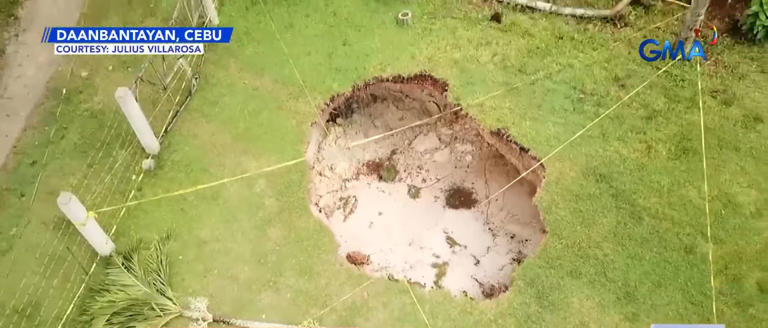
San Remigio Faces Mass Relocation After Earthquake-Induced Sinkholes Render Land Unsafe
Jan 24, 2026
Caridad Pingol
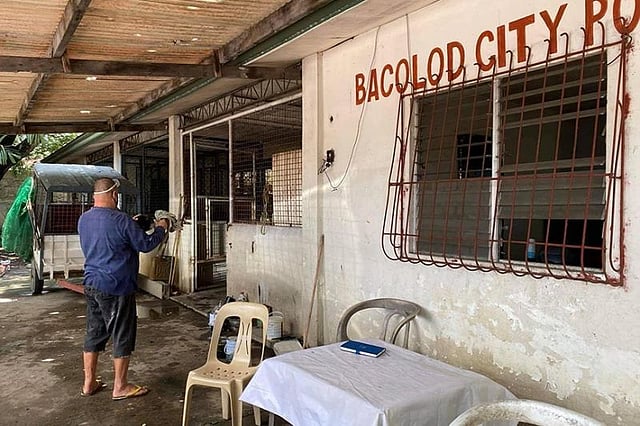
Animal Welfare Groups Demand Closure of Bacolod City Pound Over Alleged Neglect
Jan 24, 2026
Tino Salonga

PNP to Deploy 15,000 Officers for November 30 Anti-Corruption Rallies
Jan 24, 2026
Urbano Tolentino
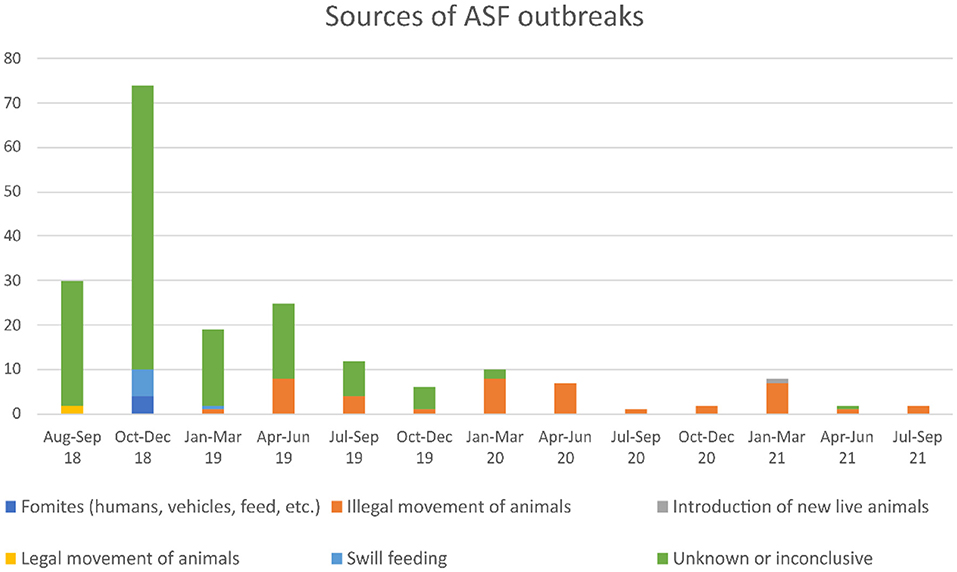
UK Temporarily Halts Pork Imports from Spain Following African Swine Fever Detection
Jan 24, 2026
Eusebio Alcaraz